Cart is empty.

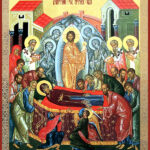
Icons have played a crucial part in the development of the Christian faith throughout history. Religious icons are seen as the openings to the realm of God, showcased in the church, and serve as a declaration of faith and prayer in people’s homes.
Generally speaking, the majority of icons typically tell the story of Christ’s life, as well as Biblical concepts, thoughts, and events such as the story of The Virgin Mary, Jesus Christ, The Cross, and The Holy Spirit to name a few.
In the initial years of Christianity, the illustrations of holy men, of their tales, of Jesus Christ as well as the Virgin Mary were often confined to sketches and paintings — with the most popular ones being in catacombs (hallways and small-scale rooms where pagans and Christians were buried). The churches’ enhancement of religious icons began hence the Roman Emperor Constantine the Great acknowledged Christianity.
Icons: A Theme of Dispute
Over time, religious icons turned into a theme of religious and ministerial disputes which resulted in disruption of the Byzantine Empire during the 8th century as well as the initial half of the 9th century. This resulted in a separation of two groups: those who were loyal to icon lemans (Iconophiles or Iconolaters), and to those at war with icons (iconoclasts).
The dispute between the two opposing sides finally came to an end in 842 by the measures administered by Theodora (the empress of Byzantine and the spouse of Theophilos), who revived icons in churches and brought the ultimate resolution to Iconoclasm.
Used From the Distant Past
Christian icons symbolize significant characters in the faith including Jesus Christ, apostles, saints, prophets, and sanctified martyrs. Iconography is a larger and more broad term used to cover illustrations of lessons and affairs of the religion. Since the earliest times of the church, icons have been utilized to depict Christ. Their usage became more well-known after the passing of the 5th century and a time passed when the use of religious icons was thought to be sacrilege. However, the church clarified that icons were not adoration or worship — insisting that God and only God, was to be worshiped.
Encouragement to Live the Spiritual Life
Religious icons remind us of those who lived a religious and devout life to Christianity. Sometimes, it can be easy to forget our faith and live life in a way that is representative of Jesus Christ. However, spiritual icons have a way of reminding us of our moral obligations as children of the Creator. They bless, elevate, and encourage us to live in alignment with our spirituality.
Strengthens the Beauty of Religion
Spiritual icons present captivating artistry and contribute to the beauty of the hearts of churches everywhere. Beauty is a vital component of the Kingdom of God, in which religion and the church are symbolic. The spiritual beauty of religious icons is not your typical beauty, it is a revered and holy beauty that leaves a profound and heartfelt effect on the devotees who worship.


Company

© 2026 The Art of the Icon
ALL RIGHTS RESERVED
—
Phone: 1-877-335-0478
Email: info@theartoftheicon.com
Hours: 8:00am – 8:00pm MST